EV Charger Installation in Spokane, WA
Home charging becomes easier with a properly installed EV charger at your property.
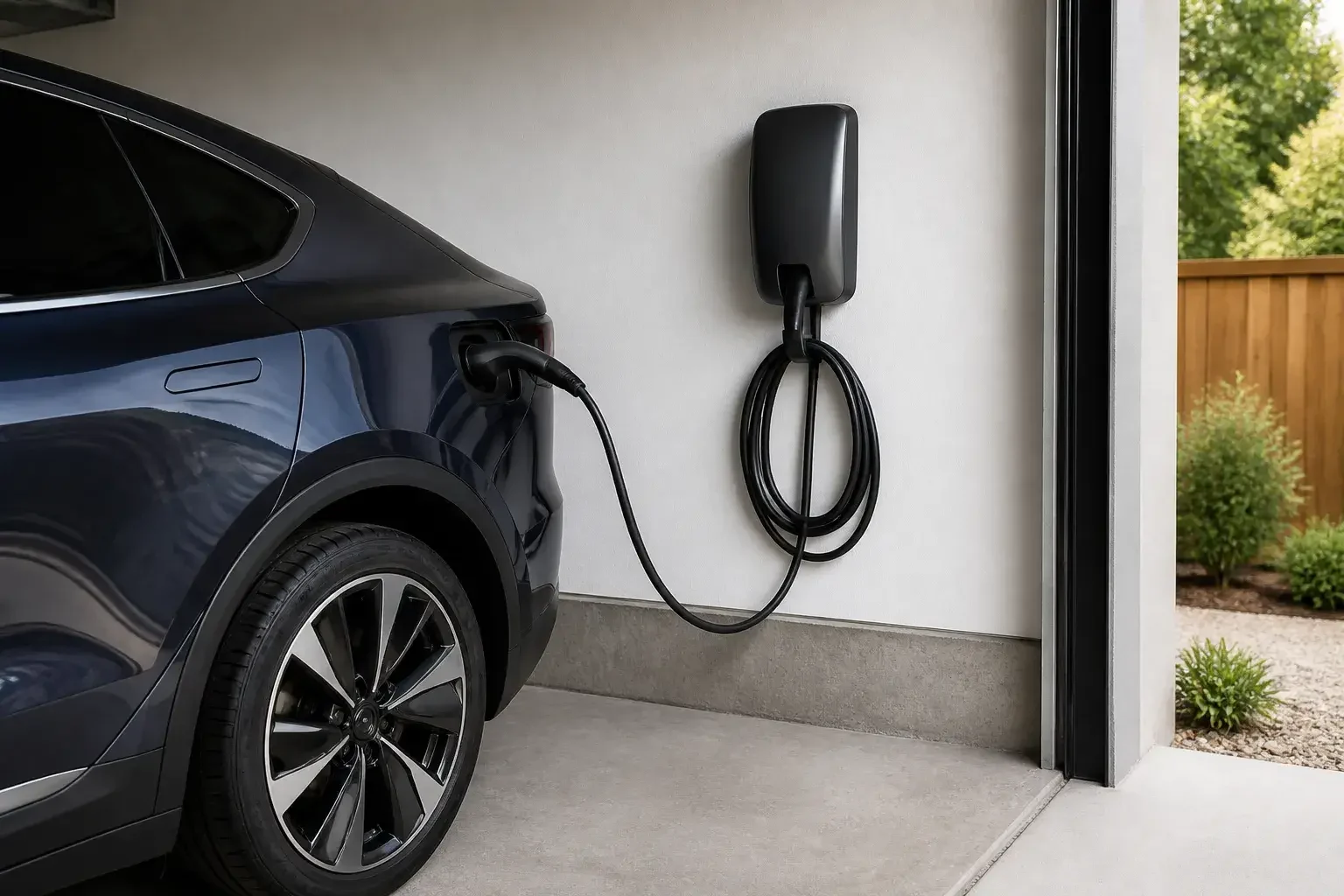
When your EV takes forever to charge from a standard outlet, the routine gets old fast. You may be checking the battery every morning, planning your day around charging stops, or wondering whether the garage outlet is really doing the job it should.
A dedicated home charger changes that routine. Northgate Electric helps homeowners choose and install EV charging setups that fit the home, the panel, and the way the vehicle is actually used, so charging becomes part of the house instead of a daily hassle.
Charging at home
A home EV charger gives you a reliable place to plug in every night and wake up ready to go. For many homeowners, that means less dependence on public charging, fewer schedule interruptions, and a cleaner setup than running cords through the garage or driveway.
A proper installation also matters for safety and performance. The charger needs the right circuit, the right location, and enough available electrical capacity to support the load. If any of those pieces are off, charging can be slower than expected or create repeated electrical issues that never seem to go away.
Signs you need one
Not every driver needs the same charging setup, but a few signs usually show that a dedicated charger would make life easier.
- Slow charging: If the vehicle gains power too slowly from a standard outlet, a dedicated charger can improve your daily routine.
- Frequent unplugging: If you are constantly moving cords or sharing an outlet with other equipment, a fixed charging station is a better fit.
- Tripped breakers: If charging seems to shut down a circuit, the home may need a better-sized circuit or panel review first.
- Inconvenient parking: If the car does not sit near a usable outlet, an installed charger can place power where you actually park.
- Growing driving needs: If your mileage has changed, your home charging setup may need to change with it.
What we check first
Northgate Electric starts with the home’s electrical setup, because the charger is only as good as the circuit behind it. We look at the panel, the available space for a new circuit, and the distance between the panel and the planned charger location.
Panel capacity
A charger can place a steady demand on the electrical system, so the panel needs enough room and capacity to support it. If the panel is already crowded, the project may need a panel upgrade before the charger can be added cleanly.
Circuit path
The route from the panel to the charging location affects both the installation layout and the overall result. A straightforward path can keep the setup neat, while a longer or more complicated path may call for additional planning.
Charger placement
The best location is one that works with how you park, how far the cable needs to reach, and how the space is used every day. A good location keeps the charging station accessible without creating a cluttered garage wall or awkward cord run.
Installation options
Different homes need different charging arrangements, and the right choice depends on the vehicle, the electrical system, and the homeowner’s habits.
- Wall-mounted charger: This is a clean option for garages or covered parking areas where the charger can stay fixed in one place.
- Dedicated circuit: This provides a separate path for the charger so it is not competing with other outlets or devices.
- Panel upgrade first: This is the right step when the existing panel does not have enough capacity or space for the charger circuit.
- Repair before install: This is sometimes needed when existing wiring, breakers, or outlets are already causing issues that should be corrected first.
The goal is not just to install a box on the wall. It is to make sure the charger works with the home in a way that feels simple every day.
How the work goes
Homeowners often want to know what the process looks like before they commit to a project. A straightforward EV charger installation usually follows a clear sequence.
- Planning the location: We help identify where the charger should go based on parking, cable reach, and access to the electrical panel.
- Reviewing the electrical system: We check whether the current panel and wiring can support the charger or whether another step is needed first.
- Running the circuit: We install the dedicated wiring and breaker needed for the charger.
- Mounting the charger: We set the charger in the chosen location and connect it to the new circuit.
- Testing the setup: We confirm that the charger operates as expected and that the installation is functioning correctly.
This kind of work should feel organized, not disruptive. The best installations are the ones that make the vehicle easier to use without making the home feel more complicated.
When rewiring helps
Sometimes a home is not ready for a charger because of older wiring, an overloaded panel, or other electrical issues that need attention first. In those cases, the charger project can become an opportunity to solve more than one problem at once.
Signs wiring needs attention
- Breaker issues: If breakers already trip during normal use, the system may need repair or reconfiguration before adding another load.
- Loose or outdated outlets: If nearby outlets are unreliable, the charger area should be checked carefully before work begins.
- Limited panel space: If the panel has little room left, a charger may require a broader electrical update.
Northgate Electric handles panel upgrades, electrical repair, and whole-home rewiring, so the charging project can be built on a stronger electrical foundation when needed.
Charging habits that matter
A good charger setup should match how the car is actually used, not just where it happens to fit on the wall. A homeowner who drives short daily routes may have different needs than someone who drains the battery regularly and wants a quicker recharge overnight.
A few details make a difference:
- Driving distance: Longer daily trips often call for a more capable charging setup.
- Parking routine: The place you park most often should guide the charger location.
- Cord reach: The charger should connect comfortably without stretching across the garage in a way that gets in the way.
- Future plans: If the household may add another EV later, the installation should be planned with that in mind.
Spending a little time on these details up front usually leads to a setup that feels natural instead of awkward.
Service area coverage
Northgate Electric installs EV chargers for homeowners in Spokane, Spokane Valley, Liberty Lake, and Cheney. The process stays focused on the home’s electrical system, the parking layout, and the charger placement that makes everyday use simpler.
If you are in Spokane and trying to decide whether your home is ready for a charger, the first step is usually a look at the panel and the place where you park. If the wiring is ready, the project can move quickly into installation. If it is not, the issue can be identified before anything is mounted on the wall.
Common questions
Can my existing outlet handle EV charging?
A standard outlet may work for very light charging needs, but many drivers want a dedicated setup because it is more practical for regular use.
Where should the charger be placed?
The best location is usually the one that matches your parking position, gives the cable enough reach, and keeps the setup out of the way.
What if my panel is already full?
If the panel does not have space or capacity for a new charger circuit, a panel upgrade may be needed before installation can move forward.
Can a charger be installed in a garage?
Yes, garages are a common place for home chargers because they offer a fixed location and easier access to the vehicle.
What happens if the wiring looks outdated?
If the wiring does not look suitable for the added load, it should be addressed before the charger is added so the installation is built on safe, reliable connections.
Can this work with more than one parking spot?
It can, but the charger location and cable reach need to be planned carefully so the setup still works with your everyday parking pattern.
Ready for the next step
If you are tired of slow charging, awkward cords, or a setup that never quite fits your routine, a home EV charger is worth a closer look. Northgate Electric can help determine whether your home is ready, whether the panel needs attention first, and where the charger should go for the cleanest result.
For homeowners who want charging to feel simple instead of improvised, the right installation makes all the difference.
How We Work
A Clear Electrical Process
Every project starts with a careful look at the issue and a simple explanation of the options.
Inspect the Issue
We review the problem area and check what may be causing it.
Explain Your Options
You get a clear rundown of the work that makes the most sense.
Complete The Job
We finish the project carefully and leave the area tidy.
FAQ
Common Electrical Questions
If you are not sure what your home needs, send a message and we will help you think it through.
How do I know if my panel needs an upgrade?
If breakers trip often, the panel feels outdated, or new loads are causing trouble, an inspection can help determine the next step.
Can you install lighting in an older home?
Yes, many older homes can be updated with new lighting once the wiring and layout are reviewed.
Do I need a new circuit for an EV charger?
Many homes do, depending on the charger and the current electrical setup. We can assess the system and explain what is needed.
What are signs I may need electrical repair?
Flickering lights, dead outlets, warm switches, and tripping breakers are all signs something should be checked.
When should a home be rewired?
Whole-home rewiring is often considered when the wiring is aging, unreliable, or no longer suited to the home's needs.
Get started
Talk With a Spokane Electrician
Share what is happening in your home, and we will help you figure out the right next step for repairs, upgrades, lighting, or EV charging.
(509) 555-0142